Friday, February 17, 2017

Clear Instructions in the Classroom

What do Clear Instructions look like in the classroom?

Essential Teaching Skills

While there are many factors that can help or hinder learning, the act of giving clear instructions is clearly one of the most crucial.  


John Kongsvik and TESOL Trainers train teachers in scaffolding, working with ELLs, giving clear instructions
Scaffolding is the key to everything
The way that we give instructions can make or break an activity.  Without clear instructions, students may become confused, may lose confidence, and may not get the most out of the experience.  Without clear instructions, we may find ourselves ending an exercise with a less-than-warm feeling.

In the last post, we explored how to BE CLEAR when giving instructions.

This time, we’ll take a look at what this essential teaching skill really looks like in the classroom.

Monday, October 17, 2016

Multi-Level Teaching - Madness or Marvel

Multi-Level Teaching - Madness or Marvel?


It can be easily argued that any class is a multilevel class.  After all, are learners are individuals.  They all come with varied...
  • strengths/challenges in manipulating the content and language of the class
  • goals/reasons for being there in the first place
  • preferences/needs in regards to lesson delivery, participation, and interaction
TESOL Trainers TESOL Certificate Course
Multi-Level Groups

The fact is teaching a multilevel class can be a maddening or marvelous experience.  A budding instructor might find the whole process bewildering and overwhelming.  After all, there are real challenges we face as teachers:

  1. How do I come up with a multi-level objective that supports all learners?
  2. How do I structure my lesson to account for the multi-levels in my classroom?
  3. How do I teach in a manner that engages all learners no matter what their proficiency level?
  4. How do I manage groups in a multi-level learning environment?
  5. How do I determine what the needs of my students are?
Let's unpack these challenges one by one to see if we can uncover strategies for

setting all students up for success in a multilevel class!

TESOL Trainers provides world-class teacher training workshops on differentiating instruction!

Wednesday, December 17, 2014

Actively Engaging Students In The Classroom


Actively Engaging Students in the Classroom

One of the key components to successful teaching is actively engaging the learner in the learning process. No matter what the subject of the class may be or who the student body is, Effective learning happens through engagement. Effective teachers understand how to keep students engaged in a variety of ways throughout their lessons.

Sunday, August 17, 2014

How Do I Structure a Multi-Level Lesson?

How Do I Structure a Multi-Level Lesson?

Anyone who has structured a multi-level class understands well that it's challenging.  Teachers need to consider how to decrease chaos that often comes with multi-level classes and increase learning.

There are a number of key factors to consider when planning a multi-level lesson.  We need to consider how to structure the lesson as a whole and structure its parts to meet the needs of all students.  Here are three important considerations when staging the multi-level lesson that will set yourself and your students up  for success:
  1. Lesson Flow
  2. Student Grouping
  3. Meaningful Tasks

TESOL Trainers SIT TESOL Certificate Course
Getting Students to Show What They Know

Structuring a multi-level lesson to meet the needs of all students, reach them, and encourage them to stretch is a challenge.  

It's not always easy to structure a multi-level class that minimizes chaos and confusion while pushing each student to the next level.

Focusing on how the lesson flows, how students are grouped and how the students will interact with the content can help.


When you unpack these considerations when planning your multi-level class, you find...

Thursday, July 17, 2014

How do I teach in a manner that engages all learners

Multi-level Teaching

How Do I teach in a manner that engages all learners?

So, you've got a multi-level class that has varying levels of proficiency and want to teach in a way that involves all of the students and encourages all of them to take their learning to the next level. 

You've got a handle on the lesson design (covered in the last blog) and are looking for some tips on how to teach in a multi-level class.

Contact John Kongsvik, Director of TESOL Trainers for information on professional development for K-23 educators.
Getting Students to Show What They Know
There are a number of factors that an effective multi-level teacher needs to manage in order to set him/herself and the students up for success.  While it may seem mind boggling to think of how to juggle everything, here are four key aspects:
  • Managing Engagement 
  • Managing Groups
  • Managing Input
  • Managing Output

Teaching a multi-level lesson that engages all learners and challenges them at the right level can be frustrating or fruitful.  The outcome rests, in part, with managing multi-level learners from the beginning to the end of a lesson.

Let's check out the first one:  managing engagement in the multi-level class

Tuesday, June 17, 2014

The First Day


The First Day!!

Conversation Circles in Classroom

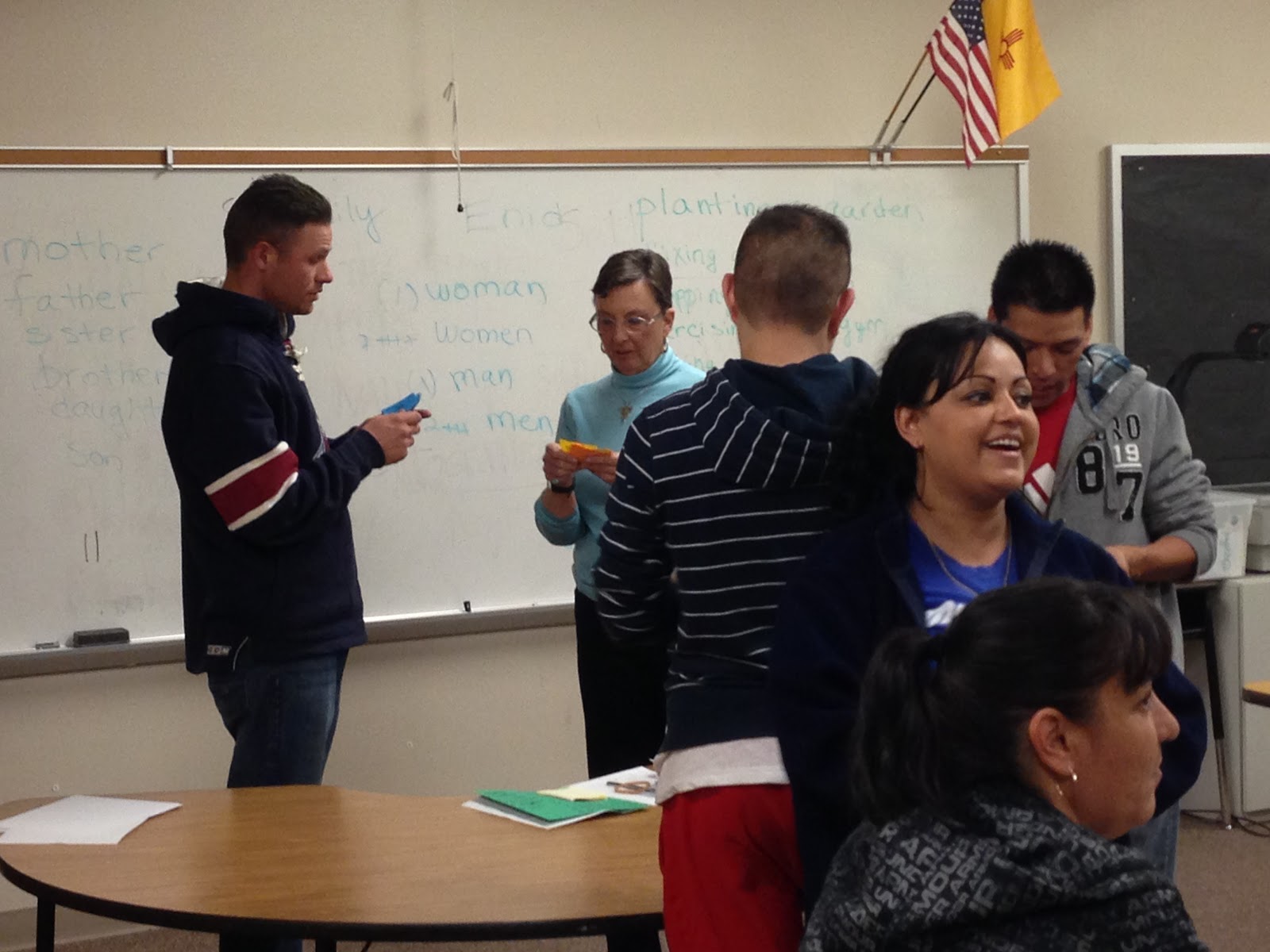
The first day in an open class like the one I teach is always excitingly chaotic.  I never know who is going to show up, what sorts of skills they will have, or what needs they have.  It makes for a fun challenge in both the planning and teaching.

Of course, after a few years of doing this, I can make a number of assumptions (all will be native Spanish speakers, most know social language, and they all know more than I think - or even them - as Caleb Gattegno said.  Yet still, the question is always:  how do I get them to show me what they know in an effective and efficient manner?

So, I set up a lesson that looked like this: